Berkshire Hathaway (BRKA, BRKB) has long been revered as a Wall Street titan, largely due to Warren Buffett's unparalleled track record in stock picking, which earned him the moniker "the Oracle of Omaha." For decades, investing in Berkshire was akin to investing alongside Buffett himself. However, a significant shift occurred at the end of 2025 when Greg Abel assumed the CEO role. The recent revelation that Buffett personally initiated Berkshire Hathaway's substantial purchase of Alphabet (GOOG) shares hints at an evolving operational model for the conglomerate.
Buffett's Evolving Role: From CEO to Investment Strategist
While Warren Buffett stepped down as CEO of Berkshire Hathaway at the close of 2025, handing the reins to his chosen successor Greg Abel, he didn't truly retire. Instead, Buffett transitioned to the role of president of the board, remaining Abel's superior and a key advisor. His active involvement in initiating major investment decisions, like the recent Alphabet stock acquisition, clearly indicates that he continues to be the primary architect behind Berkshire's investment strategy.
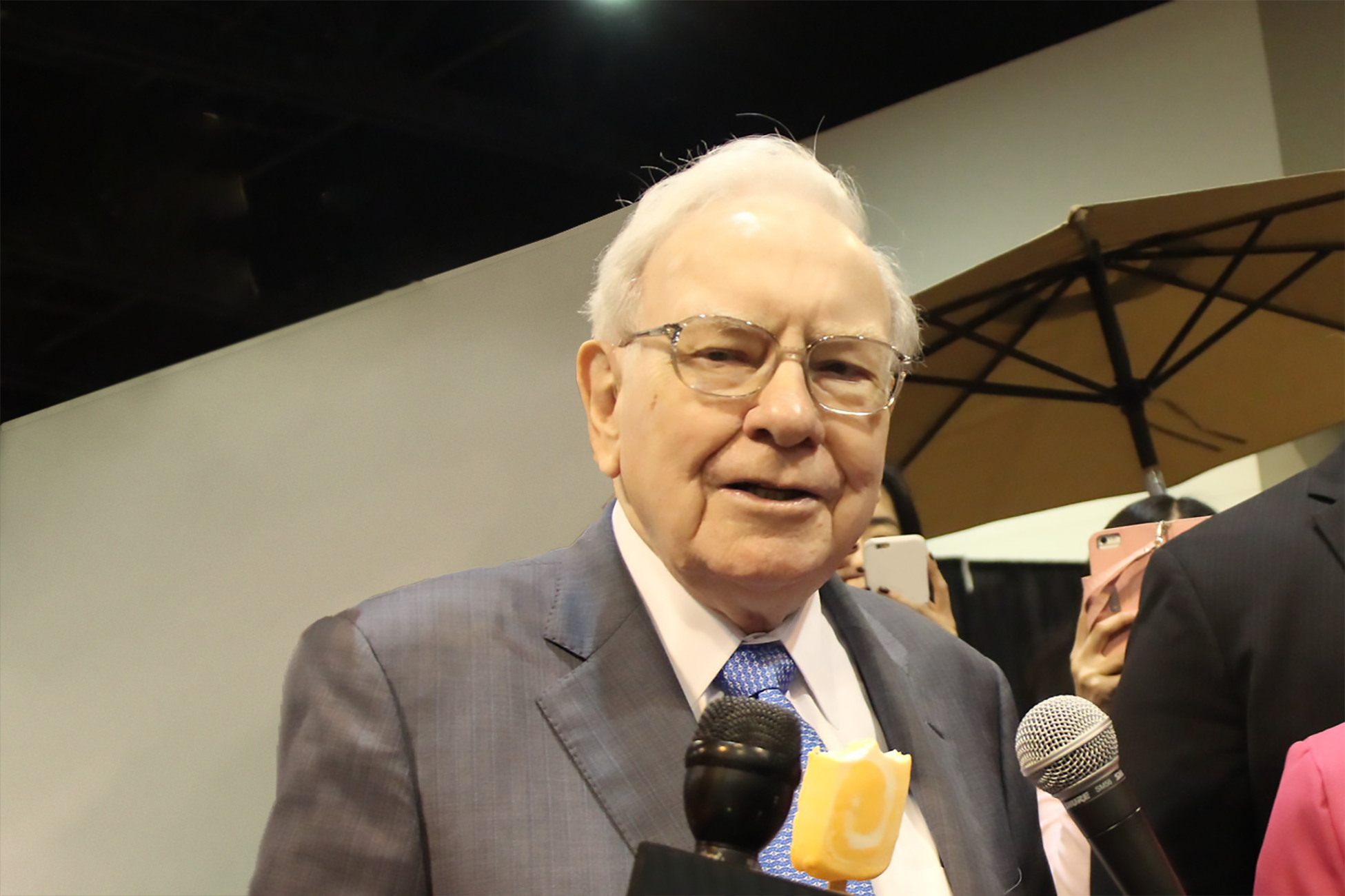
Image source: The Motley Fool.
However, Buffett isn't involved in all strategic decisions. He highlighted that Greg Abel was responsible for the acquisition of Taylor Morrison Home. This distinction is crucial: the Taylor Morrison Home deal represents an operational maneuver by Abel, aiming to consolidate Berkshire Hathaway's homebuilding-related businesses. In contrast, the Alphabet share purchase was a pure investment decision.
Berkshire Hathaway: An Insurance Giant at Its Core
This division of labor is significant: Abel is concentrating on running the diverse businesses, while the investment portfolio is managed by another individual—currently, the legendary Warren Buffett himself. Eventually, this could transition to a specialized investment team. This model mirrors how most insurance companies function: management oversees operations, and a dedicated investment team handles the portfolio. At its heart, Berkshire Hathaway operates fundamentally as an insurance company.
Buffett's true genius lay in his ability to leverage the "float" – the substantial premiums held by the company before claims are paid out – to invest more aggressively in stocks than typical insurers. This strategy ultimately forged a colossal conglomerate. Now, Abel appears focused on managing this vast conglomerate, while the investment responsibilities are handled separately.
Considering Buffett's hands-off approach to operational management during his CEO tenure, largely prioritizing investing, there's a substantial opportunity for Abel to significantly enhance the performance of the company's operating businesses. This emerging division of responsibilities between Abel and Buffett could be a pivotal indicator of Berkshire Hathaway's future trajectory. It signals an evolution towards a more traditional insurance company structure, a development that would likely be viewed as a positive outcome for the company's long-term stability and growth.