




Dolly Parton, a global icon, candidly shared her journey from battling depression to building a vast empire through shrewd business decisions, like protecting her publishing rights and launching Dollywood against expert advice. Her unwavering self-belief and philanthropic spirit, notably with the Imagination Library, underscore a legacy driven by a desire to uplift others.
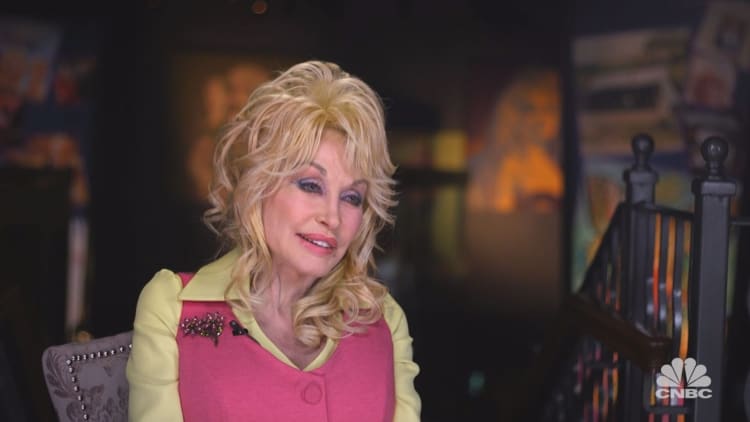
In a surprising revelation during a 2015 interview, the ever-optimistic Dolly Parton candidly opened up about her struggles with depression during a challenging period in the 1980s. "I was having some personal problems and beginning to feel a little guilty about my success," the iconic singer-songwriter shared, reflecting on her journey at her beloved Dollywood Theme Park.
Parton, whose impact resonates far beyond music, also recalled the pivotal decisions that defined her extraordinary career. Diagnosed with endometriosis and undergoing a partial hysterectomy in the 80s, she recounted a period of immense personal and professional strain. "I thought OK – enough is enough. Get off your fat ass and do something about it, 'cos nobody's happy all the time," she humorously added, attributing her perpetual cheerfulness to "Botox" rather than constant happiness.
Betting on Herself: From Nashville Dreams to Global Stardom
Born into humble beginnings, Parton ascended to global icon status through sheer grit and unwavering resolve. She vividly recalled the laughter and skepticism from her high school classmates when she declared her ambition to become a star in Nashville. "That hurt my feelings," Parton admitted, adding triumphantly, "They're not laughing now."
Her musical journey began early, performing on local TV and radio by age 10 and making her Grand Ole Opry debut at 13. In 1967, her quest for fame led her to join country music legend Porter Wagoner's popular weekly television show, launching her into national recognition.
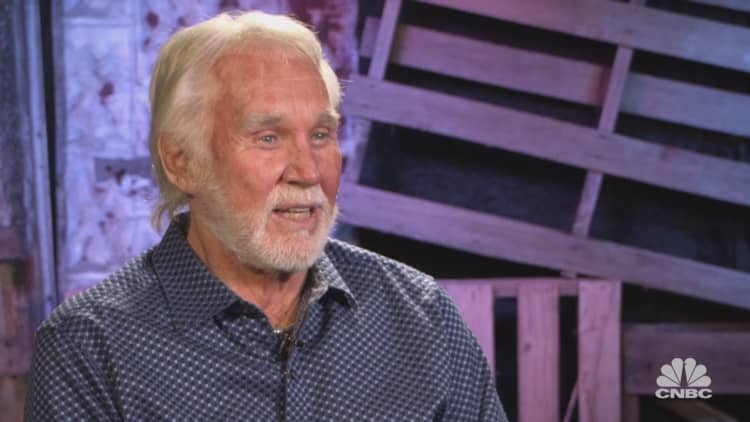
Despite their immense success together, Parton described her relationship with Porter as a "love-hate" dynamic. Seven years in, she knew she needed to forge her own path, a decision that led to a difficult separation. This pivotal moment inspired one of her most enduring compositions: "I Will Always Love You." As she recounted, "When I was trying to leave and he was pitching such a fit, and I thought, 'Well, you know, do what you do best, go write a song.'" The song became a hit for Parton, later achieving global phenomenon status when Whitney Houston recorded it for "The Bodyguard" in 1992. Crucially, by then, Dolly had already secured her most vital business asset: her publishing rights.
Turning Down Elvis: A Principle Over Profit Decision
The importance of her publishing rights was underscored in 1974 when Elvis Presley expressed interest in recording "I Will Always Love You." However, shortly before the recording session, Presley's manager, Colonel Tom Parker, demanded half of the song's publishing rights for Elvis to proceed. Dolly, despite the immense honor and potential exposure, firmly declined.
"I said, 'Well, I am really sorry to hear that 'cos I already told everybody Elvis was doing my song,' but I thought, you know, I can't do it. And I didn't," she explained. "So, I thought. 'Well, it was just one of those first really hard business decisions I had to make.'" Parton credited her farmer father for instilling in her the business acumen and strength to navigate such difficult choices and to stand firm against the sexism she encountered early in her career.
"I think there's always the 'good ole boy' syndrome when it's a girl in business. A lot of people, especially with me, 'cos I look like trash and I did even then, I just look like I would be easy prey. But I got my business sense from my dad," she asserted.
The Dollywood Dream: A Billion-Dollar Success Story
Years later, Parton faced similar skepticism when she decided to venture into the theme park business. Her business advisors, she recalled, "thought I'd lost my mind." Undeterred, she famously told them, "I know you're my Hollywood lawyers and accountants and all that, but I think I know a little bit more about me than you do. And so, I went ahead and done it. Got rid of them. And it proved that I was right to go ahead with my plans."
Dollywood, which first opened its gates in 1986, has since blossomed into Tennessee's most visited ticketed attraction. Four decades on, it boasts an estimated direct annual economic impact of $1.8 billion in the region.
"I was born in a one-room cabin; we didn't have anything fancy in it except our dreams and our plans and the love of a good mama and a good daddy," she shared. "I thought if I DO make it, I want to come back home, do something special in this area for the people. We've really provided thousands and thousands of jobs through the years and that makes me feel proud and I think Little Dolly would be proud of that — and my Mom and Dad, too."
Despite her very public persona, her husband of 59 years, Carl Dean, has always maintained a fiercely private life. "He's kind of a homebody; he didn't want to go out there doing all that," Parton revealed. "Even when he does come out, he's not going to be seen. As a matter of fact, here at Dollywood, he won't come here with me, not the times I come. He'll come up and he'll come to the park, and most times nobody even knows he's been here."
A Legacy of Giving: The Imagination Library
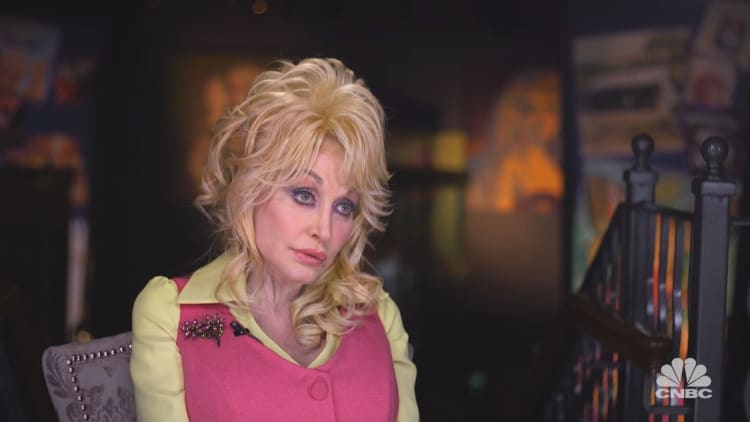
Dolly Parton's passion for helping others is exemplified by her philanthropic initiative, The Imagination Library. Inspired by her illiterate father, the program has distributed millions of free books to children worldwide. "He was always so smart, and it always bothered me. It bothered him, but I can't even begin to imagine, as smart as my Daddy was, what all he could have been if he hadn't have been crippled with that," she reflected.
Starting in her home county, The Imagination Library expanded globally, fostering a love for reading in young children and encouraging family literacy. Parton proudly stated it's "one of the things that I'm proudest of in my whole career." When asked about her desired legacy, she articulated, "I want people to remember everything that I've done that was of any importance. I want them to think that I was a person that really wanted to give… that I was a caring person and that I was someone that wanted to make life a better place for everybody."














