



While a recent truce has helped ease tariffs between the U.S. and China, fostering renewed discussions between businesses, the underlying trust deficit remains a significant hurdle. Executives are cautiously optimistic about expanding their reach into both major markets, but challenges surrounding branding and data security persist, despite efforts to mitigate tariff risks through strategic investments and localized operations.
Hi, this is Evelyn, writing to you from Beijing. Welcome to the latest edition of The China Connection — a succinct snapshot of what I'm seeing and hearing from local businesses.
Now that the Trump-Xi summit has helped keep tariffs in check, Chinese companies and U.S. representatives alike are making the most of an extended truce to get some deals going. But is that enough to overcome data security and branding hurdles?
The Big Story: A Fragile Truce Fuels Renewed Business Talk
For businesses navigating U.S.-China tensions, "the worst is over," Zou Ping, co-founder of AI Speech, told me in Suzhou last week. This sentiment comes just days after his return from the U.S., a critical growth market for his company's high-end microphones, speakers, and digital note-taking tablets. The timing is opportune, following the recent U.S. and China agreement to pursue "constructive strategic stability," signaling a broader effort to stabilize ties after more than a year of escalating tensions and tariff hikes that once pushed cumulative duties above 100%. The extended truce suggests these levies could remain at about half those levels for longer.
While tariffs and market access remain concerns for Zou, he is hopeful that the U.S.-China relationship won't deteriorate further in the next three to five years. However, he identifies branding as the bigger challenge for winning U.S. customers. AI Speech is actively exploring acquisitions and local hiring for its U.S. expansion, hinting at ongoing conversations with New York electronics retailer B&H.
This theme of renewed international growth plans was echoed by other executives. Guo Renjie, CEO of humanoid robot startup Zeroth, revealed in Suzhou that they are in discussions with Best Buy and received numerous orders at the Consumer Electronics Show in January. Zeroth plans to commence sales this fall in the U.S. and Europe, initially focusing on a toy-sized interactive robot.

Encouraging Investment Amidst Shifting Dynamics
Despite a significant plunge in Chinese investment in the U.S. over the last decade, officials on both sides are actively seeking areas for continued cooperation. U.S. Treasury Secretary Scott Bessent recently informed CNBC that the U.S. and China would establish trade and investment boards focused on non-sensitive sectors. Fast-growing Chinese consumer companies are also pursuing overseas acquisitions, exemplified by the reported acquisition of sustainable fashion brand Everlane by online retailer Shein.
Engagement continues at the state level. Andrea Chartock, assistant director at the Washington State Department of Commerce's Office of Economic Development and Competitiveness, noted a high degree of collaboration. Speaking from Chongqing, she highlighted recent presentations made by both Washington State and Chinese delegations at an event facilitating trade and international exchange.
At the Asia-Pacific Economic Cooperation (APEC) conference in Suzhou, Casey Mace, the senior U.S. APEC official, discussed Washington's strategy of promoting American AI solutions across Asia while simultaneously encouraging more investment in the U.S. The Trump-Xi summit, he observed, has fostered a more positive tone in recent working-level discussions.
Chinese companies are proactively addressing data security concerns and tariff-related risks. AI Speech's Zou emphasized that their products do not upload user data and that U.S. customers opting for AI features will be served through international data centers. Similarly, Zeroth's Guo is exploring U.S. manufacturing options, particularly in Texas, to mitigate tariff exposure, recognizing that, ultimately, "China and the U.S. are still the largest markets."
Need to Know
- U.S. Pushes AI in Asia: Following the Trump-Xi meeting, the U.S. is actively promoting American technology in Asia, while China races to develop its own alternatives.
- China's Robot Workforce: China is investing in robot learning centers to train machines for various work scenarios, integrating humanoid robots into its broader industrial strategy to dominate global markets.
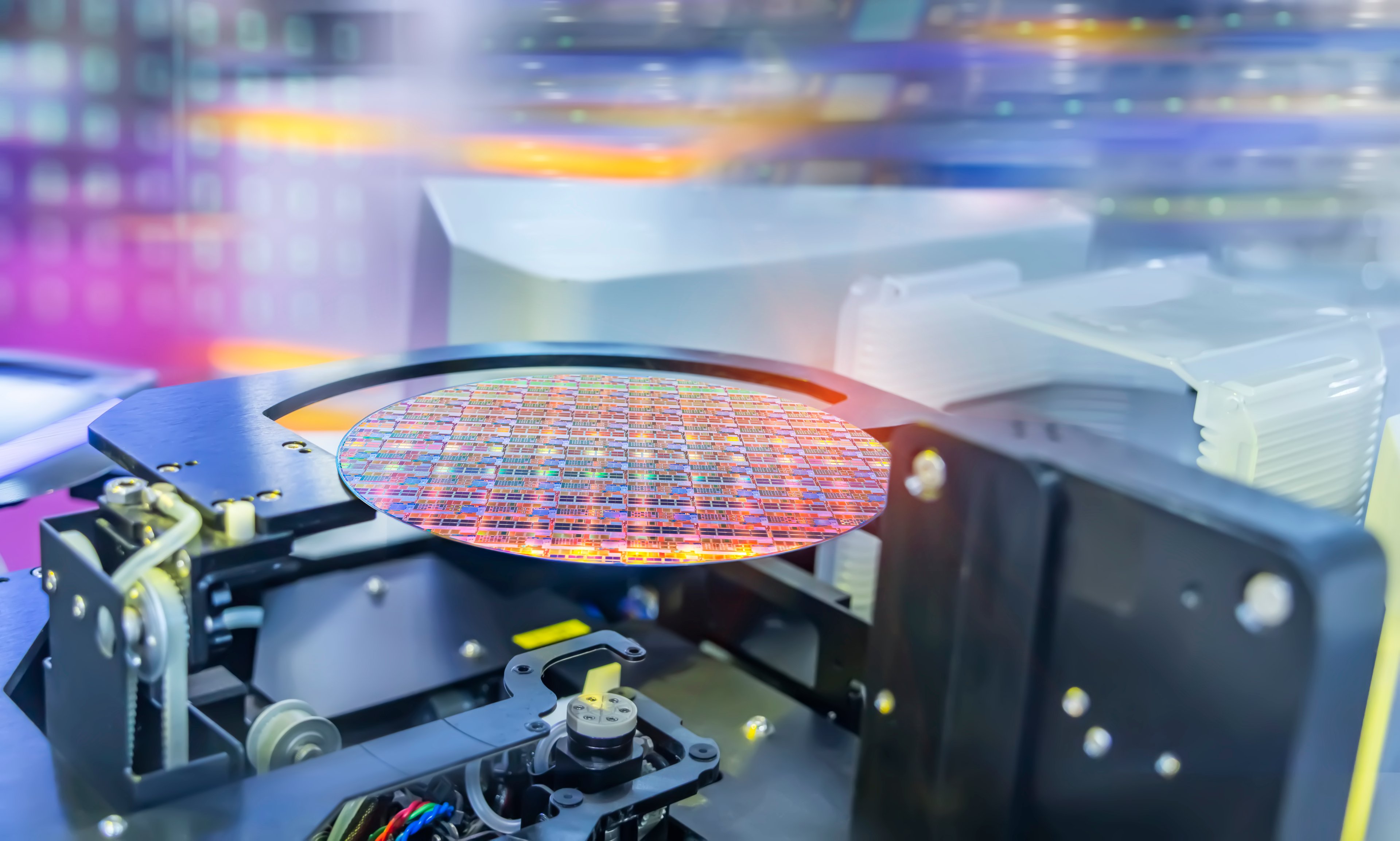
- Chip Foundry Compliance: Hua Hong Grace Semiconductor Manufacturing Corporation stated it has "always been compliant" with U.S. export controls, noting that the AI-driven memory chip boom is keeping its fabs at full capacity.
Coming Up
- May 23-26: Pakistani Prime Minister to visit China
- May 26: Chinese Foreign Minister attends high-level UN Security Council meeting
- May 27: Nio to launch flagship ES9 SUV
- May 28 - 30: Chinese Foreign Minister visits Canada
- May 31: China releases official manufacturing PMI for May
- June 1: RatingDog China general manufacturing PMI
Related Video:
Germany's China problem – and why de-risking hasn't worked
05:05
Why China's Chinext & Star 50 are your next key AI plays
05:33
Fertilizers as the next supply chain risk? Millennial Potash on global investment & supply
04:21