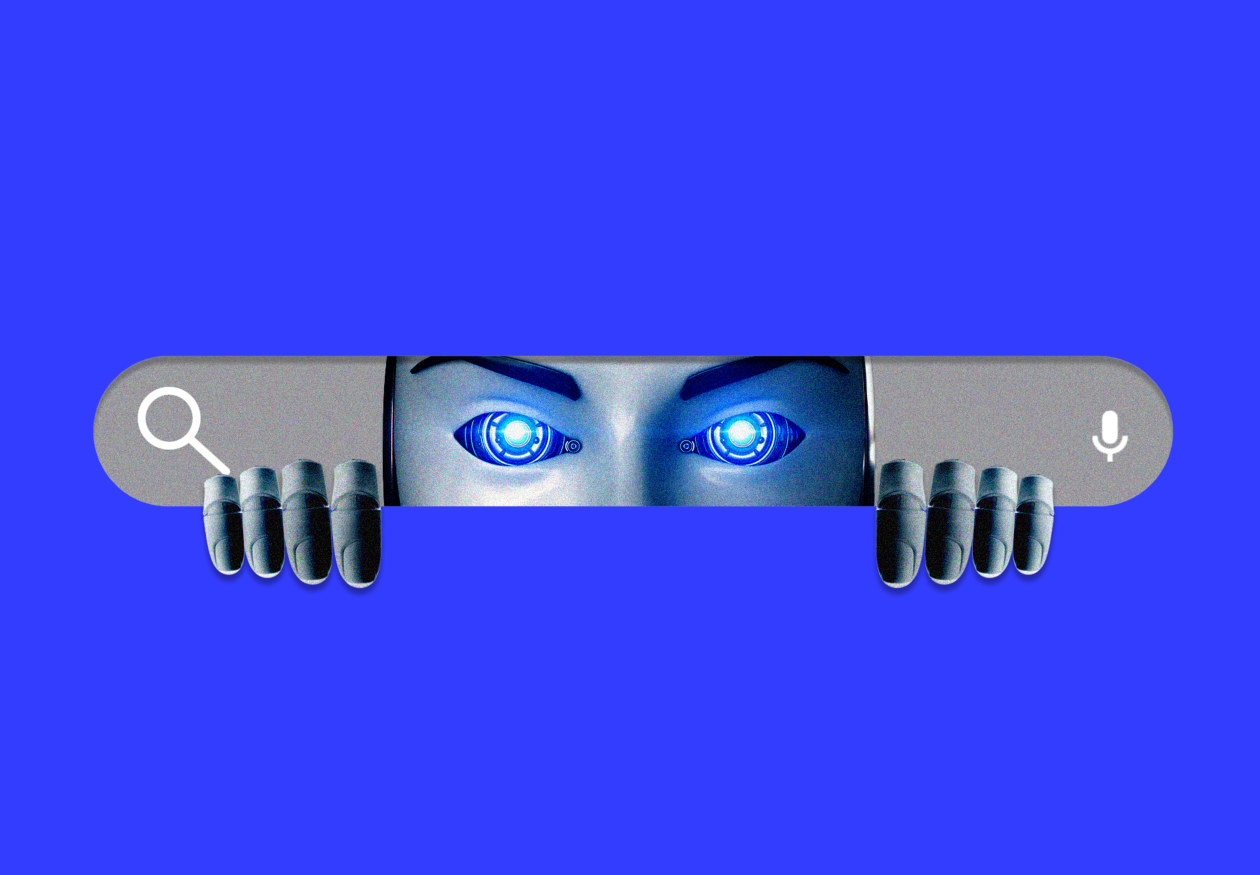
Artificial intelligence is profoundly reshaping the internet, with chatbots and AI-powered search summaries diverting traffic from traditional search engines and obliterating established business models. This transformation marks the end of the internet as we’ve known it, forcing companies to adapt to a new digital landscape where AI mediates user interactions and content consumption.
The digital landscape is undergoing a monumental transformation, with artificial intelligence increasingly asserting its dominance and fundamentally reshaping the way we interact with the internet. This technological shift is not only altering online searches but also posing an existential threat to numerous established business models that have thrived for decades.
In a world rapidly embracing AI, sophisticated chatbots such as ChatGPT and Claude are becoming the first point of contact for an ever-growing number of queries that previously drove traffic to traditional search engines. Furthermore, search giants like Google are integrating AI-powered summaries directly into their results pages. While convenient for users, these summaries often intercept online traffic, preventing clicks to the original source websites—the very platforms whose content fuels these AI insights. This 'interception' mechanism is directly impacting the revenue streams and operational viability of companies reliant on web traffic and advertising.
"The internet as we’ve known it for the past 20-plus years is going away, and it’s going to completely change," one prominent CEO commented, underscoring the profound and irreversible nature of this evolution. As AI continues to consume and synthesize vast amounts of online data, the traditional relationship between content creators, search platforms, and users is being redefined, demanding new strategies and innovations from businesses to survive and thrive in this evolving digital ecosystem.