




President Donald Trump is considering U.S. military support for Saudi Arabia’s response to recent deadly Houthi attacks on Riyadh’s airport. The kingdom has formally requested “urgent defense support” from the United States.
The attacks, which killed 12 and injured over 300, have heightened regional tensions. Analysts caution that further U.S. involvement could stretch resources already committed to fighting Iran, potentially opening a second front in the Middle East.
Trump Considers U.S. Support for Saudi Arabia Against Iran-Backed Houthis Following Deadly Airport Strike
President Donald Trump announced that the United States is considering joining Saudi Arabia in its retaliatory actions against the Iran-backed Houthis in Yemen, following a fatal attack on Riyadh's main international airport. This potential involvement could draw the U.S. into another conflict front in the broader Iran-related tensions in the Middle East.

"We may. We're going to look at it," Trump stated to reporters outside the White House on Saturday, responding to a question about potential U.S. backing for Saudi strikes. "We just found out about the recent attack. So, we'll make a decision. We move very quickly."
According to two Saudi Arabian government officials speaking anonymously to MS NOW, the kingdom has requested "urgent defense support" from the U.S. in the wake of the attacks. These officials, including a senior member of the Ministry of Foreign Affairs, emphasized the need for swift U.S. intervention to assist the Saudi-led coalition in its fight against the Houthis in Yemen.
The White House had not issued an immediate comment at the time of reporting.
The attacks on King Khalid International Airport in Riyadh occurred over consecutive days. On Sunday, a projectile hit a passenger terminal, a day after a missile struck the same facility. The Saudi General Authority of Civil Aviation reported that the Saturday attack resulted in 12 fatalities and 309 injuries, according to the official Saudi Gazette media outlet.
Colonel Turki Al-Maliki, spokesperson for the Saudi-led Coalition to Support Legitimacy in Yemen, condemned the attack as a "war crime." He stated via a post on X that the Joint Forces Command of the Coalition would "respond decisively to this terrorist attack in accordance with the Customary International Humanitarian Law."
This incident marked the second deadly assault on Riyadh's airport within a week. Earlier, on Thursday, three Saudi nationals, including a pilot, were killed in attacks attributed to Iran-backed Houthi militants.
Following the latest attack, the Houthis issued a renewed warning, stating, "We renew our warning to all airlines, experts, employees, workers and travellers against using Saudi airports and airspace, as they are vulnerable to attack and have become a theatre of operations for our forces, with the exception of the airports in (the holy cities of) Mecca and Medina."
Saudi Arabia, a key U.S. ally, intervened in Yemen's civil war in 2014 after the Houthis seized the capital, Sanaa. The Trump administration had previously approved a potential $24.3 billion sale of nearly 50 F-35 warplanes to Saudi Arabia, a move viewed as a significant bolster to the kingdom amidst escalating Houthi attacks. This sale is currently under congressional review.
International Energy Conference Proceeds Amidst Tensions
Despite the security concerns, Saudi Arabia's energy ministry confirmed that a pre-planned international energy conference will proceed in Riyadh as scheduled. The five-day WPC Energy Congress is taking place at a convention center near King Khalid airport. State television indicated that over 70 ministers and 300 company executives have confirmed attendance, though participation details (in-person or virtual) remain unclear. An International Energy Forum ministerial meeting is also slated, with its plenary session to be held privately.
Energy Choke Points: Bab el Mandeb and Hormuz
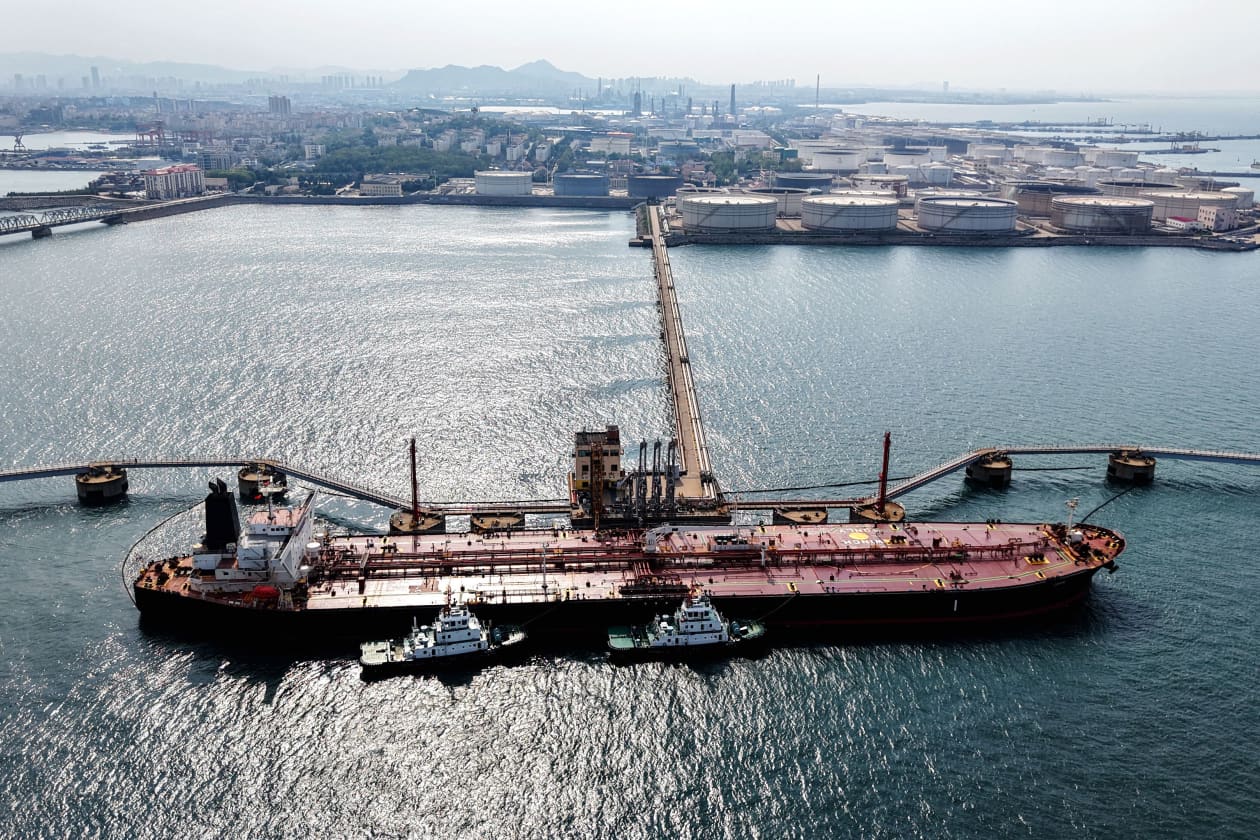
Beyond attacks on civil aviation, the Houthis have also targeted oil tanker traffic through the Bab el Mandeb strait, a crucial gateway to the Red Sea. This action mirrors Iran's efforts to control traffic in the Strait of Hormuz. Earlier this month, Yemeni government forces reported regaining control of the strategic port city of Mokha from the Houthis.

Energy prices have seen a significant increase since the commencement of the Iran war, impacting consumers globally. The rise in domestic fuel prices has become a prominent issue for voters ahead of the upcoming U.S. midterm elections.
Potential Costs of U.S. Involvement
While U.S. support could be crucial, it would carry significant military costs. Experts suggest that direct U.S. military action against the Houthis, beyond previous limited operations, would strain American resources. Analysts question the U.S. capacity for a sustained campaign against the Houthis while also preparing for potential conflict with Iran and other global contingencies.
The United Kingdom's defense secretary also indicated that the U.K. is assessing how to support Saudi Arabia, though they are not currently involved in offensive operations. He reiterated that a purely military solution to the conflict is unlikely.