


Despite stepping down as CEO in 2025, Warren Buffett remains a pivotal figure at Berkshire Hathaway, personally initiating the recent Alphabet stock purchase. This strategic investment role contrasts with CEO Greg Abel’s focus on operational decisions, such as the Taylor Morrison Home acquisition. The evolving dynamic suggests Berkshire Hathaway is transitioning towards a structure mirroring a traditional insurance company, with specialized teams for investments and business management.
Berkshire Hathaway, a titan of Wall Street, forged its iconic status through Warren Buffett's legendary investment prowess, earning him the moniker 'the Oracle of Omaha.' For decades, investing in Berkshire was synonymous with investing alongside Buffett himself. However, a significant shift occurred in 2026 with Greg Abel assuming the CEO role. New reports, including Buffett's own admission to CNBC – 'I initiated it' – regarding Berkshire's recent substantial purchase of Alphabet shares, signal a fascinating new operational model for the conglomerate.
Buffett's Role: Not Retired, But Repositioned
While Warren Buffett formally stepped down as Berkshire Hathaway's CEO at the close of 2025, handing the reins to his chosen successor Greg Abel, he didn't truly retire. Instead, Buffett transitioned to the pivotal position of president of the board. This new capacity means he remains Abel's superior and a key resource. His direct initiation of the sizable Alphabet stock acquisition strongly suggests that the 'Oracle' continues to hold ultimate sway over Berkshire's critical investment decisions.
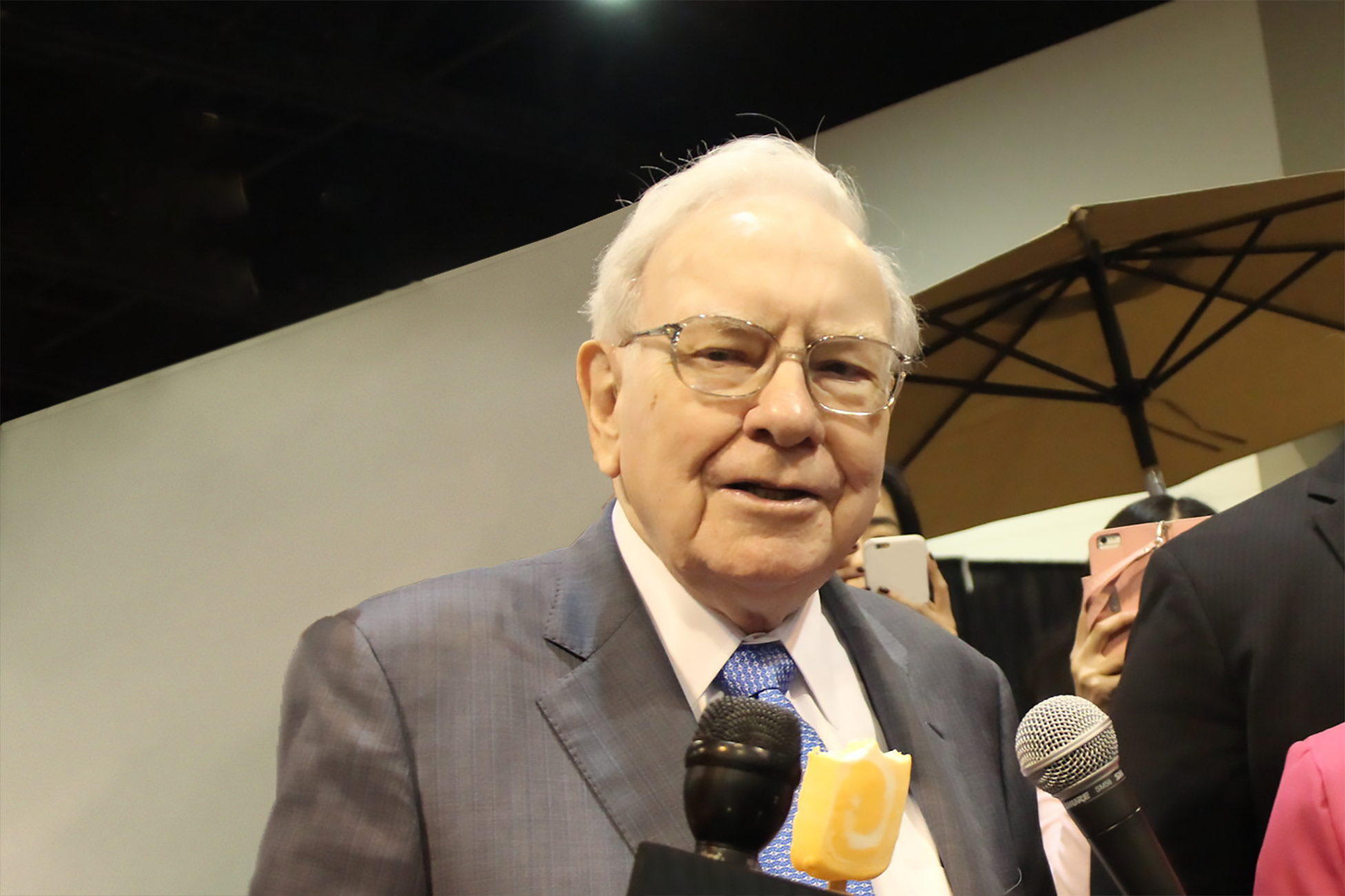
Image source: The Motley Fool.
However, Buffett isn't micro-managing every aspect. He acknowledged that the decision to acquire Taylor Morrison Home was made by Greg Abel. This distinction is crucial: the Taylor Morrison Home deal represents a strategic operational maneuver by Abel, aiming to integrate Berkshire Hathaway's various homebuilding-related entities. In contrast, the Alphabet share purchase is a clear investment decision. This division of labor paints a picture of a carefully calibrated leadership structure.
Berkshire's Core Identity: An Insurance Powerhouse
The divergence in these two decisions highlights a significant structural evolution: Abel is dedicated to steering the conglomerate's diverse businesses, while a different entity—currently, the unparalleled Wall Street icon Warren Buffett—is managing the investment portfolio. In time, this investment responsibility could transition to a specialized team. This mirrors the operational blueprint of most insurance companies, where management focuses on business operations while a dedicated investment team handles the portfolio. Fundamentally, Berkshire Hathaway is and always has been an insurance company.
Buffett's genius lay in his ability to leverage the 'float'—the substantial premiums held by the company before claims are paid out—to pursue more aggressive, high-return stock investments than traditional insurers. This strategy allowed him to build the vast conglomerate we know today. Now, it appears Abel is concentrating on optimizing the conglomerate's operations, leaving the investment reins to others.
Given Buffett's historically hands-off approach to operational management as CEO, prioritizing his investment activities, there's immense potential for Greg Abel to significantly enhance the performance of Berkshire's core operating businesses. This emerging division of responsibilities between Abel's operational focus and Buffett's investment oversight could be a defining characteristic of Berkshire Hathaway's future trajectory. Such a model, aligning more closely with a conventional insurance company structure, is likely to yield positive outcomes for the firm.






