


Despite a recent stock dip following its Q2 2026 earnings, American Express (AXP) is highlighted as a compelling value stock and a key long-term holding for Berkshire Hathaway. Under new CEO Greg Abel, the company, a long-time Warren Buffett favorite, is expected to deliver a 10% revenue increase and record-high EPS in 2026, driven by strong customer spending and strategic share buybacks. Its resilient business model, targeting affluent customers and leveraging network effects, positions American Express as a premier dividend growth stock with multi-decade compounding potential.
On January 1, Greg Abel took the helm as CEO of Berkshire Hathaway, succeeding the legendary Warren Buffett. He inherited a formidable portfolio, including hundreds of billions in publicly traded equities and even larger holdings in controlled companies like Berkshire's insurance operations, railroads, Berkshire Hathaway Energy, and various manufacturing, service, and retail enterprises.
Abel swiftly began reshaping the portfolio, notably divesting several minor positions and, reportedly on Buffett's own advice, elevating Alphabet into Berkshire's top five holdings. Amidst these changes, Abel reinforced conviction in Berkshire's largest positions, asserting that core holdings such as American Express (AXP), Apple, Coca-Cola, and Moody's are expected to be multi-decade compounders for the conglomerate.
However, the past year has presented challenges for American Express investors. The stock saw a 4.3% decline on July 24 following its second-quarter 2026 earnings release, pushing its year-to-date performance down 11.8%.
Despite this recent sell-off, sparked by a slight revenue miss and increased expenses for its revamped U.S. Platinum Card benefits, American Express stands out as a compelling value stock that warrants a closer look.
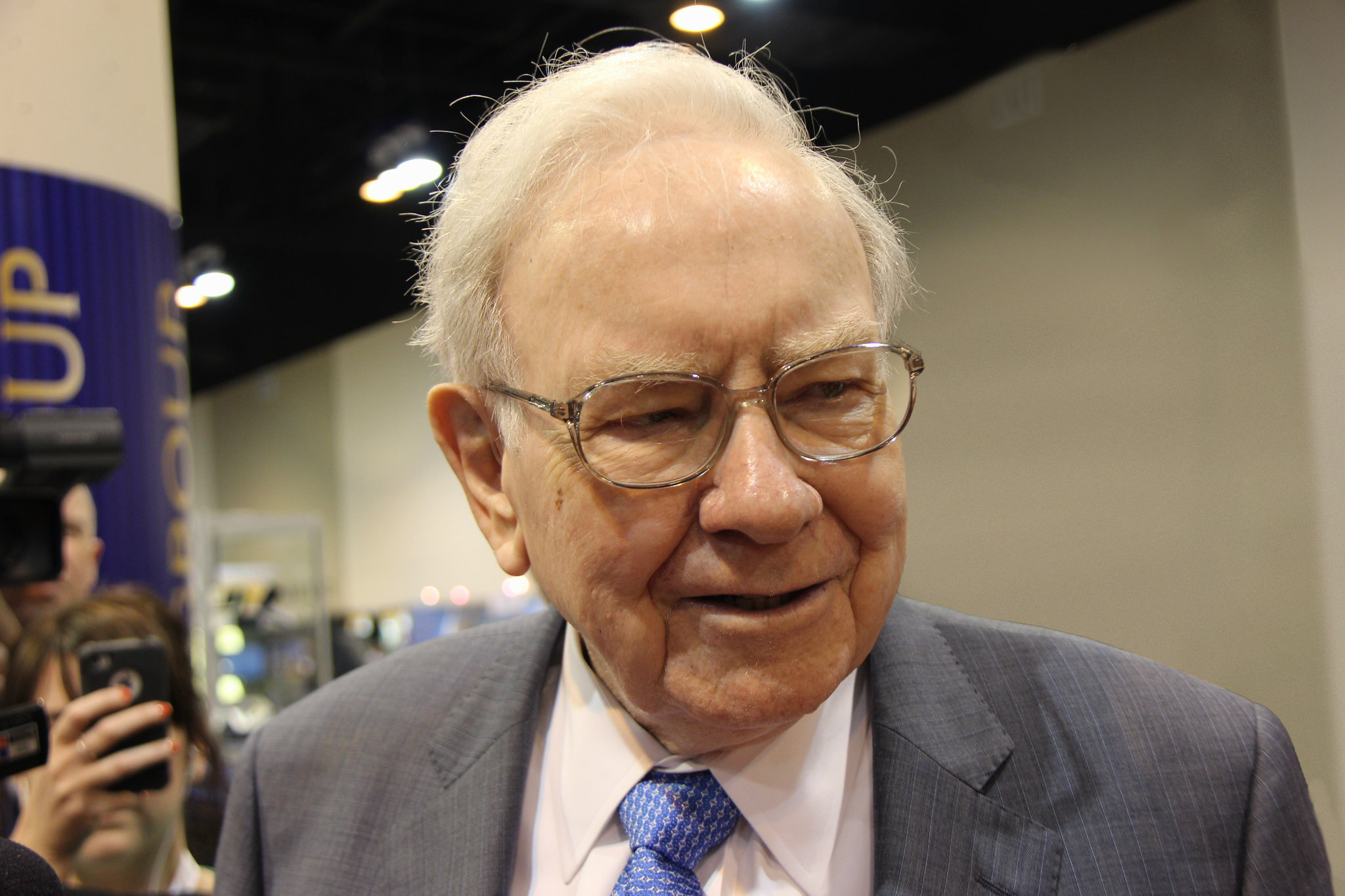
Image source: The Motley Fool.
American Express: Poised for a Strong Year
The market's reaction to American Express's latest earnings appears exaggerated. While the company narrowly missed revenue forecasts and reported higher expenses linked to its U.S. Platinum Card benefits, it simultaneously increased its full-year guidance, projecting a robust 10% revenue surge for 2026.
This optimistic outlook is fueled by strong customer acquisition and increased spending. In Q2, American Express recorded a 9% growth in card member spending (on a foreign-exchange-adjusted basis), marking its highest rate in three years. The company anticipates full-year earnings per share (EPS) to reach an all-time high of $17.30 to $17.90.
American Express’s dedicated customer base and consistent earnings power enable it to steadily boost dividends and aggressively repurchase shares, which further accelerates EPS growth. As of June 30, American Express had 682 million shares outstanding, a 3% reduction from the previous year. Over the last decade, the company has lowered its share count by over 25%, nearly tripled its dividend, and seen its stock price more than quintuple. Despite this impressive performance, American Express remains an attractive value proposition. Its strong earnings growth and consistent buybacks have kept its valuation in check, with the stock trading at just 18.5 times the midpoint of its 2026 EPS estimate.
A Resilient Business Model
American Express consistently achieves double-digit revenue and earnings growth, even amidst periods of tightened consumer spending, a testament to its robust business model.
The company strategically targets an affluent customer demographic, offering a rewards program centered around discretionary spending and premium perks. This customer segment is often less susceptible to inflationary pressures affecting essential goods and services like gas, food, and housing.
Both card members and American Express benefit from this ecosystem. Card members often find that the value of their perks, on average, nearly doubles their annual membership costs. American Express reported $5.61 billion in net card fees for the first six months ending June 30, against $9.94 billion in card member rewards expenses. While card fees alone wouldn't sustain the company, American Express thrives because customers are incentivized to prioritize spending on their Amex cards to maximize rewards and justify high annual fees. Significantly, the fees American Express collected from merchants in the first half of the year were roughly double the card member reward expenses.
Merchants, in turn, benefit by accessing a high-spending customer base, generating sales they might not otherwise capture, even while paying higher transaction fees to American Express.
Historically, American Express shareholders have also been winners, enjoying consistent earnings growth that supports a rising stock price and robust cash flows enabling substantial capital returns through growing dividends and share repurchases.
Collectively, these elements make American Express's business model exceptionally strong and resilient.
An Enduring Investment Opportunity
American Express embodies the characteristics of a classic Warren Buffett investment: a well-established brand and business, a substantial economic moat derived from its loyal customer base and network effects, and a clear trajectory for sustained earnings growth for decades. It's no wonder Greg Abel highlighted it as a foundational Berkshire holding poised for long-term compounding.
Considering all these factors, American Express emerges as a premier dividend growth stock for investors to consider now, and an ideal cornerstone for an everlasting portfolio.






