

President Donald Trump has revealed a “largely negotiated” peace deal with Iran, expected to be announced soon, aiming to reopen the critical Strait of Hormuz. This potential agreement seeks to resolve a conflict that has significantly impacted global energy markets and fueled rising U.S. inflation. While Trump held calls with several regional leaders to finalize terms, Iran’s foreign ministry indicated the initial phase involves a memorandum of understanding, with broader talks to follow within 30 to 60 days, suggesting some details remain contentious.
President Donald Trump announced Saturday that a peace agreement with Iran, focused on reopening the vital Strait of Hormuz, is "largely negotiated" and on the cusp of being unveiled. This breakthrough could potentially put an end to a protracted conflict that has severely disrupted global energy markets and driven U.S. inflation to its highest levels in years.
In a social media update, Trump confirmed engaging in high-level discussions from the Oval Office with key regional leaders, including those from Saudi Arabia, the UAE, Qatar, Pakistan, Turkey, Egypt, Jordan, Bahrain, and Israeli Prime Minister Benjamin Netanyahu. These conversations, he noted, were dedicated to finalizing the intricate terms of the accord with the Islamic Republic of Iran.
“An Agreement has been largely negotiated, subject to finalization between the United States of America, the Islamic Republic of Iran, and the various other Countries,” Trump's post reiterated, signaling the advanced stage of diplomatic efforts.
Further specifics of the deal, particularly regarding the reopening of the strategically critical Strait of Hormuz – a crucial pathway for global energy shipments – are currently under discussion and "will be announced shortly," according to the President.
Credit: Majid Saeedi | Getty Images News | Getty Images
Meanwhile, Iran's foreign ministry confirmed Saturday that the proposed agreement's initial phase involves a memorandum of understanding, preceding more extensive negotiations planned for within the next one to two months.
Despite the optimism, significant disagreements between Washington and Tehran reportedly persist. Contrasting Trump's announcement, Iran's Fars news agency asserted that the Strait of Hormuz would continue under Iranian control, based on the latest communications between the two nations. Fars characterized Trump's statement about the strait's reopening as part of a "largely negotiated" deal as "incomplete and inconsistent with reality," highlighting a potential rift in understanding.
Notably absent from Trump's remarks was any mention of Iran's nuclear program or its highly enriched uranium, issues his administration has consistently identified as central to achieving a lasting peace. Iran has previously indicated a preference to defer nuclear discussions until a formal ceasefire is established.
Further complicating matters, a potential delay in the Trump administration's announcement was hinted at following reports of gunshots near the White House, leading to a security lockdown.
Earlier on Saturday, the Financial Times reported that the contours of a potential agreement included a framework for future nuclear talks, the easing of sanctions on Iran, and the unfreezing of its assets held abroad.
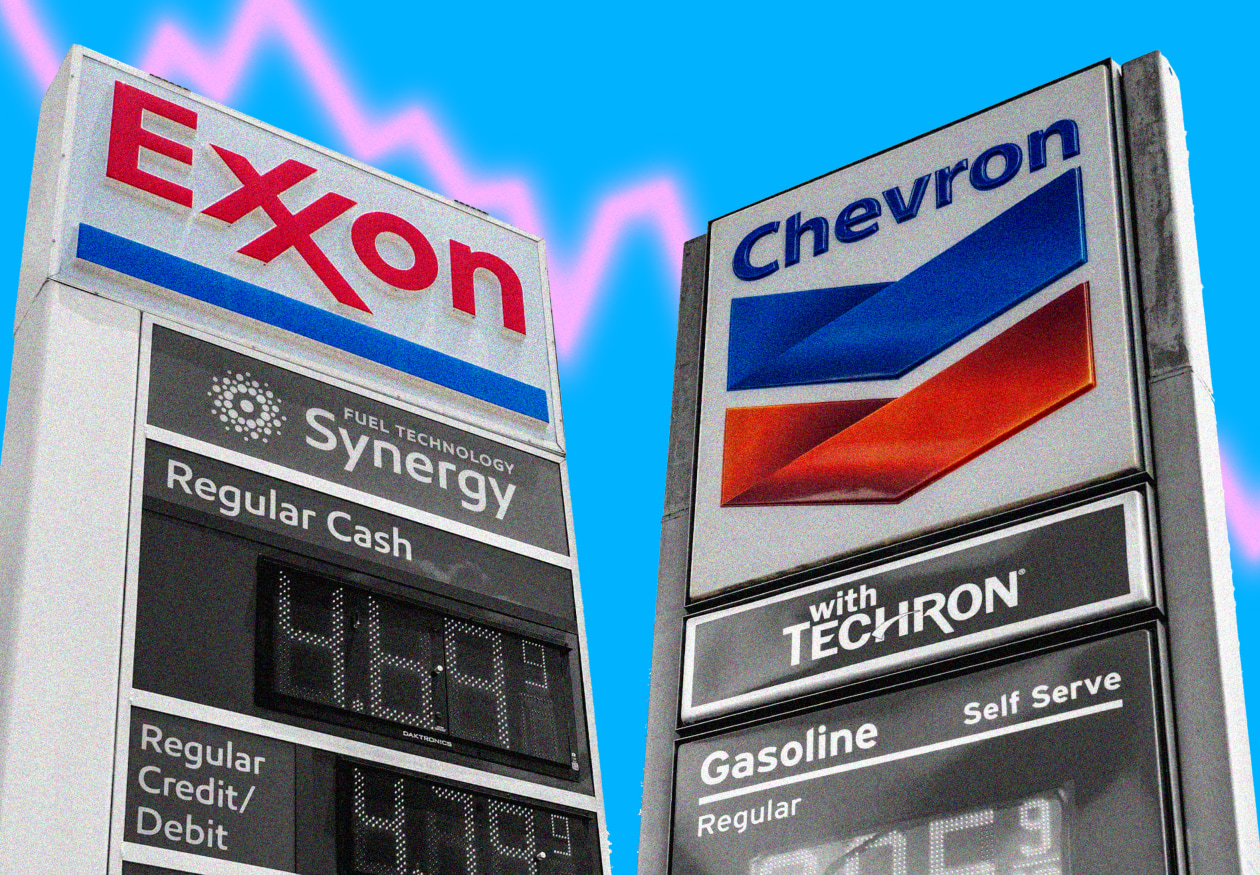
A precarious ceasefire has been in effect since April 8th, frequently interrupted by skirmishes as the U.S. and Iran vie for control over the Strait of Hormuz. This ongoing conflict has, according to Gulf states, triggered the most severe global energy crisis in decades, contributing to elevated energy prices in the U.S., accelerating inflation, and fueling expectations of potential interest rate hikes by the Federal Reserve.
Negotiators from Pakistan and Qatar reportedly engaged in discussions with Iranian officials on Thursday and Friday, maintaining consistent communication with U.S. envoy Steve Witkoff, as per the Financial Times.
Separately, Iran’s chief negotiator conveyed to a Pakistani counterpart Tehran’s refusal to compromise on its "legitimate rights" and voiced deep skepticism regarding the U.S., Reuters reported on Saturday.
According to Reuters, Iran's Parliament Speaker Mohammad Baqer Qalibaf stated that the nation's armed forces have successfully restored capabilities that were compromised since the conflict commenced in late February.
A significant point of contention has been President Trump’s firm insistence that Iran surrender its enriched uranium and permanently dismantle any capacity for nuclear weapons development. Furthermore, Trump has called for the dismantling of the Natanz, Fordow, and Isfahan nuclear sites, targets of U.S. bombings last June after America joined Israel’s military actions against Iran in an earlier phase of the conflict.
The Iranian foreign ministry remarked that an agreement remains simultaneously "very far and very close," observing that the U.S. has presented "conflicting stances several times" during negotiations.
Earlier in the week, Trump indicated that the U.S. had refrained from initiating new attacks on Iran, citing ongoing "serious negotiations." Gulf nations, including Saudi Arabia, Qatar, and the UAE, have consistently appealed to Trump to halt military actions, expressing concerns over potential Iranian retaliation in the region and further destabilization of global energy markets.
Pakistani Prime Minister Shehbaz Sharif extended congratulations to President Trump for a "very useful and productive" call with regional counterparts. Sharif noted in an X post that "The discussions provided a useful opportunity to exchange views on the current regional situation and how to move the ongoing peace efforts forward to bring lasting peace in the region."
The office of Turkish President Recep Tayyip Erdogan affirmed that Turkey "stands ready to provide every kind of support during the implementation phase of a potential agreement with Iran," signaling international backing for the peace initiative.