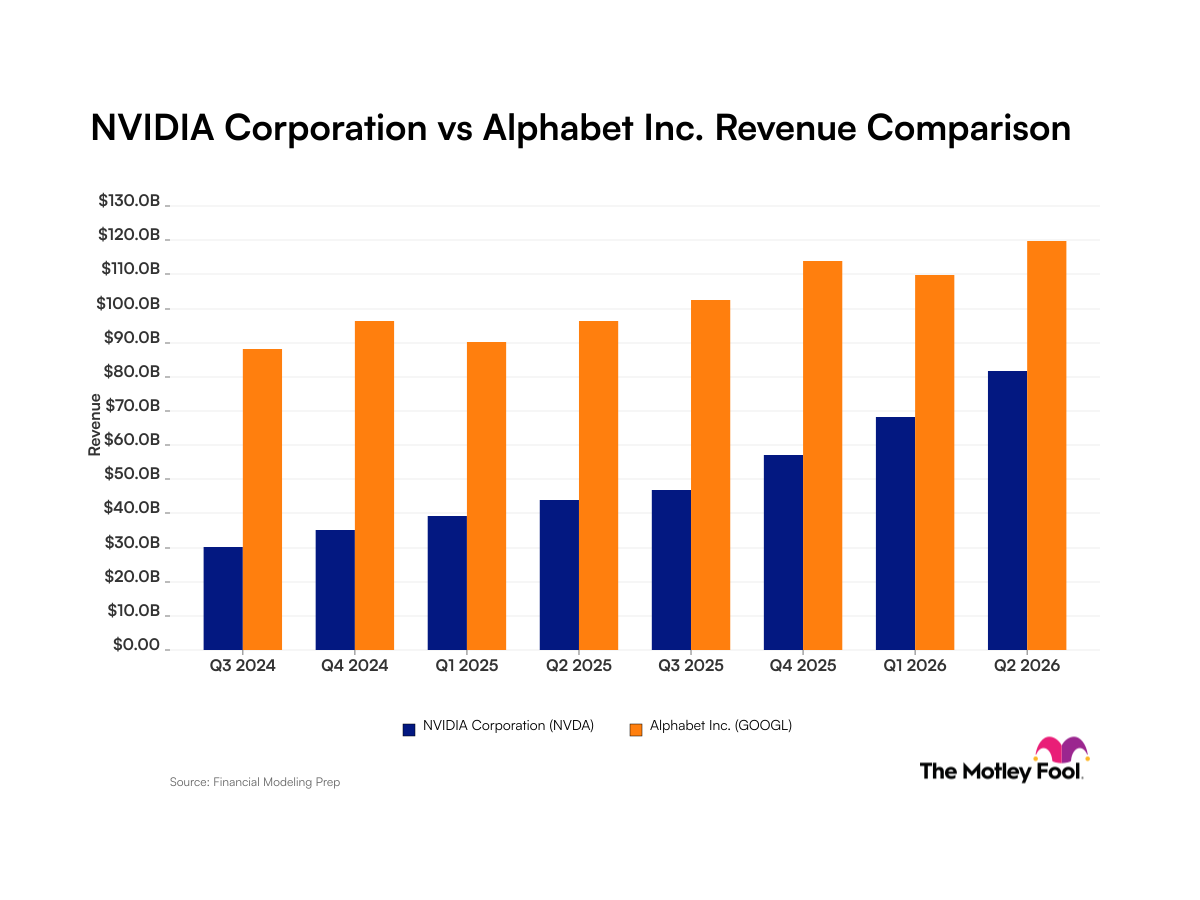
Nvidia's strategic pivot from solely selling GPUs to designing comprehensive server rack systems for AI tasks, a cornerstone of CEO Jensen Huang's vision, may be facing a significant hurdle. Reports from SemiAnalysis suggest that Nvidia's next-generation Kyber NVL144 AI rack system could be delayed until 2028 due to manufacturing issues with a critical circuit board. While Nvidia maintains its roadmap is on track, lingering questions about this potential delay could create an opening for competitors like Advanced Micro Devices (AMD) and Alphabet (Google).
Nvidia has historically maintained a dominant position in the high-end AI market through its aggressive technology development. However, physical manufacturing constraints could be its Achilles' heel. The Kyber system is central to advancing AI data centers, with variants tailored for specific tasks like inference and agentic AI. A delay could provide a crucial window for AMD and Alphabet to gain traction in this lucrative segment.
AMD faces the perennial challenge of bridging the software ecosystem gap with Nvidia. However, recent improvements to its ROCm platform, coupled with the increasing use of open-source AI frameworks like OpenAI's Triton by developers, have narrowed this divide, particularly for inference workloads. Furthermore, AMD's chiplet designs, which allow for greater memory integration, and its acquisition of memory optimization software Mext, position it favorably to offer a high-performance server solution optimized for inference.
Alphabet, with its highly regarded Tensor Processing Units (TPUs), is also poised to benefit. Its upcoming TPUs will be optimized for both training and inference. If Nvidia's Kyber experiences a delay, Alphabet's cost-effective TPU offerings could become more appealing to customers seeking a fully optimized system without the potential delays or premium costs associated with Nvidia's platform.
Both AMD and Alphabet Stocks Show Strong Potential
Neither AMD nor Alphabet needs to dethrone Nvidia to emerge as winners. Capturing even a fraction of the high-end AI market could significantly boost their stock performance. AMD has already secured notable GPU deals and is well-positioned to capitalize on the growing importance of data center CPUs in agentic AI. Alphabet, meanwhile, presents a comprehensive AI strategy, boasting world-class chips and AI models, which provides a distinct cost advantage.
Any market share gained from Nvidia would be a welcome bonus, likely leading to a positive impact on their respective stocks. The author holds positions in both AMD and Alphabet and views their future prospects as very promising.




 This situation could allow Advanced Micro Devices (AMD) and Alphabet (Google) to gain market share in the high-end AI infrastructure space. Both companies have developing strengths in AI hardware and software that could make their offerings more attractive amidst Nvidia’s potential supply chain issues.