





Berkshire Hathaway CEO Greg Abel is making his mark with significant investment shifts, mirroring Warren Buffett’s value-oriented approach but with increased aggression. In the past quarter, Berkshire substantially boosted its stakes in tech giant Alphabet and airline leader Delta Air Lines. Crucially, the conglomerate also repurchased $4.5 billion of its own stock, a move signaling leadership’s belief that Berkshire shares are undervalued, offering a strong indicator for potential investors.
When legendary investor Warren Buffett stepped aside as CEO of Berkshire Hathaway (BRKA, BRKB), many eyes turned to his successor, Greg Abel. A key question lingered: Would Abel maintain the Oracle of Omaha's distinctive approach to stock picking?
Less than a year into his leadership, we're seeing Abel's strategy unfold. Berkshire embarked on a notable buying spree during the second quarter, significantly expanding its holdings in Alphabet (GOOGL, GOOG) and Delta Air Lines (DAL). Another striking move was the repurchase of $4.5 billion of Berkshire Hathaway's own stock.
Here’s an in-depth look at what these strategic decisions signify for investors.
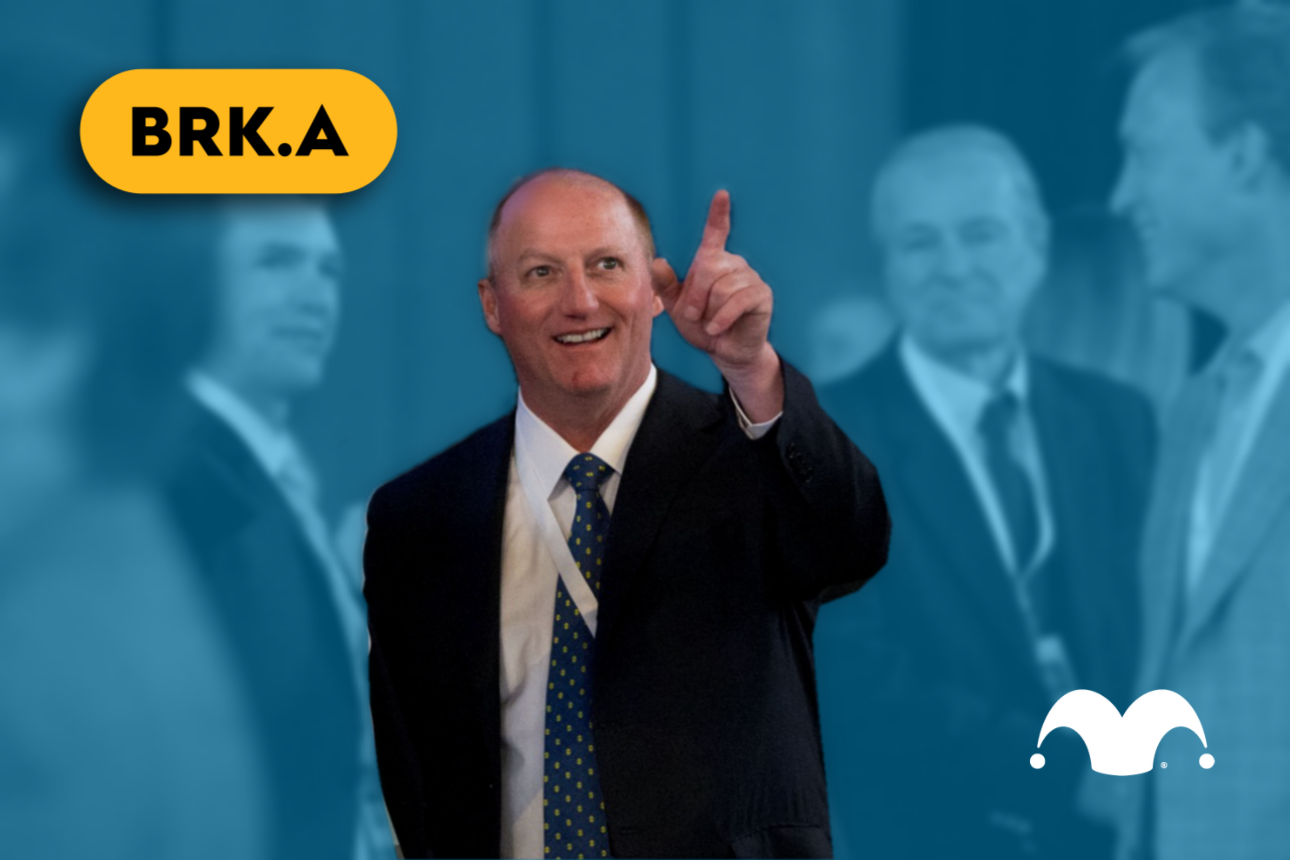
Berkshire Hathaway CEO Greg Abel. Image source: Getty Images.
Berkshire is Actively Deploying Its Vast Cash Reserves
For years, Buffett famously allowed Berkshire Hathaway to amass an enormous cash pile, patiently waiting for truly compelling investment opportunities rather than overpaying for assets.
This disciplined approach cemented Berkshire's reputation for identifying companies with robust competitive advantages and acquiring their shares when trading below their intrinsic value—the true worth of the underlying business.
Abel appears to be upholding this core philosophy, albeit with a visibly more assertive posture in deploying Berkshire's capital.
During the second quarter, Berkshire substantially increased its Alphabet holdings, adding millions of shares of the Google parent company. It also acquired an additional 17.5 million shares of Delta, boosting its stake by an impressive 44%. Berkshire initially established its position in Delta during the first quarter, Abel's first as CEO, and now commands over 57 million shares of the airline's stock.
BRKB - Berkshire Hathaway
NYSE · As of 4:00 PM ET 10/16/26
Key data points
Even after these recent substantial purchases, Berkshire concluded June with approximately $359.2 billion in cash and short-term investments, indicating Abel still possesses significant capital for future strategic investments.
The Significance of Berkshire's Share Buybacks
Berkshire Hathaway initiated share buybacks totaling $235 million in the first quarter, then dramatically escalated this to $4.5 billion in the second quarter.
Berkshire adheres to a stringent policy for repurchases: shares are bought back only when the CEO deems the price to be below Berkshire's conservatively estimated intrinsic value. This means Abel isn't simply buying back stock because funds are available; he's doing so because he firmly believes the stock offers a compelling value proposition.
Berkshire acquired Class B shares at an average of $476.01 in May and $487.98 in June. These figures provide a tangible benchmark for investors, revealing the price points at which Berkshire's own leadership was prepared to commit billions to its business.
Is Berkshire Hathaway Stock a Smart Buy for You?
One of Berkshire Hathaway's enduring strengths lies in its diversified conglomerate structure. The company holds dozens of businesses, spanning insurance, consumer staples like Duracell, and renowned brands such as Dairy Queen. Furthermore, its extensive investment portfolio boasts significant stakes in blue-chip companies including Apple and Bank of America. This broad exposure offers investors a stake in diverse sectors of the economy.
For those considering an investment in Berkshire Hathaway, the company's recent share repurchases serve as a crucial starting point for evaluating the stock's potential.
Ultimately, when Berkshire's own management is confident enough to invest billions in its shares, it's certainly a signal worth a closer examination by other investors.