Global markets are reacting positively to a dramatic de-escalation of tensions between the U.S. and Iran, following President Trump’s decision to halt military action and pursue a diplomatic deal. This geopolitical shift, combined with OPEC+’s approved increase in oil production, has sent crude prices sharply lower and boosted investor confidence in stock futures.
In other key developments, Japan and the U.S. conducted their first joint currency intervention in decades to strengthen the yen, while pharmaceutical giants AstraZeneca and Bristol Myers Squibb are reportedly exploring a massive $400 billion merger.
Hello from Singapore! Markets are breathing a collective sigh of relief as major geopolitical and economic developments unfold. President Trump's surprising decision to halt a planned military strike on Iran, signaling a potential diplomatic breakthrough, has significantly calmed global tensions. This move, coupled with OPEC+'s commitment to increase oil output, sent crude prices tumbling and fueled optimism across stock markets.
U.S. Army paratroopers prepare an M119 howitzer for a fire mission during a field artillery live-fire exercise in the Middle East.
U.S. Army paratroopers prepare an M119 howitzer for a fire mission during a field artillery live-fire exercise in the Middle East. Courtesy: U.S. Army
President Trump announced the cancellation of a military operation against Iran, citing progress towards the "perimeters of a deal." He indicated that a comprehensive agreement would involve the full opening of the Strait of Hormuz and an end to Iran's nuclear ambitions, with Israel also committing to the framework. This diplomatic shift comes just days after reports suggested a fresh attack was imminent, with Trump revealing that a planned assault would have been the largest since World War II. The de-escalation immediately sent oil prices, including WTI and Brent crude, down more than 4% in early Asian trading, unwinding weeks of conflict-driven risk premiums.
Further easing oil market concerns, the OPEC+ cartel approved a production quota increase of approximately 188,000 barrels per day starting in September. This move, agreed upon by key members such as Saudi Arabia, Russia, and Iraq, completes a phased rollback of the 1.65 million bpd cut initially implemented in 2023.
Amidst this backdrop, U.S. stock futures rallied strongly as investors anticipated a crucial jobs report and a packed earnings week. The cooling crude prices offered a welcome respite from recent inflation worries. However, Asian markets opened lower, reflecting regional dynamics.
Meanwhile, in a significant monetary policy development, Japan's finance minister confirmed a coordinated foreign-exchange intervention with the U.S. to bolster the yen. This marks the first such joint action since 1998 (corrected from 2011/30 years), successfully pushing the dollar down to 157.84 yen on Monday, a notable retreat from last week's near 40-year low of 164 yen.
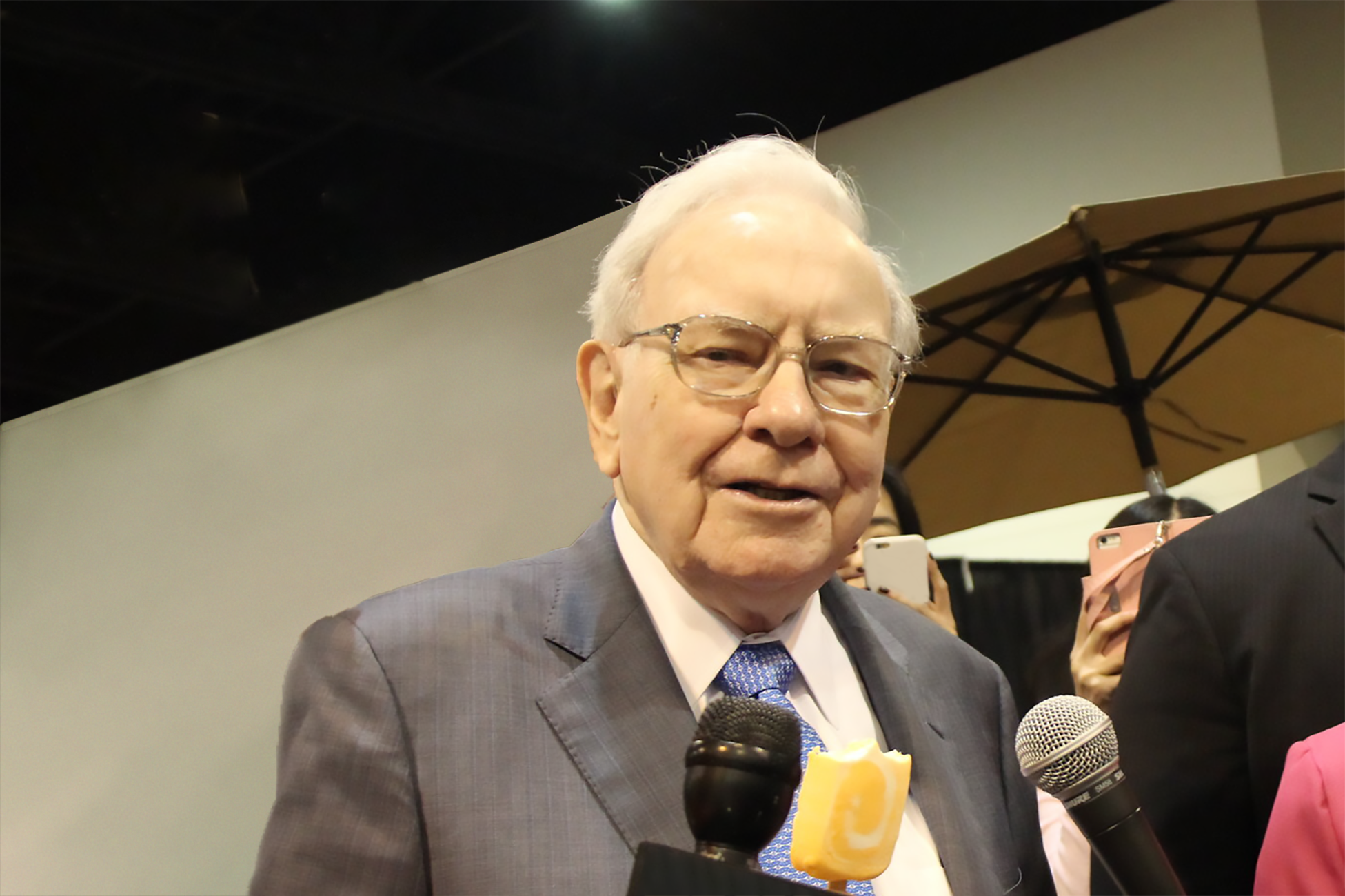
Corporate news also made headlines, with Berkshire Hathaway shares hitting an eight-month high last week, with analysts suggesting further upside potential even as CEO Warren Buffett prepares to step down at the end of 2025. In the pharmaceutical sector, AstraZeneca is reportedly exploring a colossal merger with Bristol Myers Squibb, potentially creating a combined entity valued at roughly $400 billion, which would rank among history's largest deals, according to the Financial Times.
And finally...
Beyond the immediate market movements, an unfolding youth employment crisis in India has garnered global attention. An exam leak that forced a retest of the country's highly competitive medical entrance exam sparked nationwide student protests, spearheaded by the social media-savvy 'Cockroach Janta Party.' This outcry highlights a deeper issue: the struggle of millions of young Indian graduates to secure stable, well-paying jobs despite rigorous education, posing a significant challenge to Prime Minister Narendra Modi's government.
— Anniek Bao (with additional reporting by Priyanka Salve, Raksha Murali for the India segment)
Subscribe to our newsletter to get our newest articles instantly!
MARKET VOWS NEWSLETTER
Stop entering after the move is obvious.
Most traders wait for momentum, confirmation, and headlines. By then, the edge is gone.
Market VOWS shows you where behavior is becoming constrained — where capital is being forced, optionality is collapsing, and price is beginning to be imposed.