/https://media.cnbc.com/dims/origin/108343257/Spider-Man-Brand-New-Day.jpg "Spider-Man Smashes Box Office Records with ‘Brand New Day’ Preview Haul")


Moody’s Ratings has issued a stark warning: the massive, “unprecedented” spending on AI infrastructure by tech giants is eroding free cash flow and increasing balance-sheet risk. Hyperscalers such as Alphabet and Microsoft are relying heavily on debt, stock sales, and off-balance-sheet financing to fund their AI ambitions, a significant shift from their traditional asset-light models. While major players like Amazon and Meta still boast strong balance sheets, the credit quality of some firms, particularly Oracle and CoreWeave, is facing immediate pressure as the industry undergoes a fundamental financial transformation.
The relentless global race to construct artificial intelligence infrastructure, projected to reach a trillion-dollar annual expenditure, is significantly impacting the financial health of major tech players, commonly known as "hyperscalers." Moody's Ratings warns that this escalating investment is eroding free cash flow and heightening balance-sheet risk for industry titans.
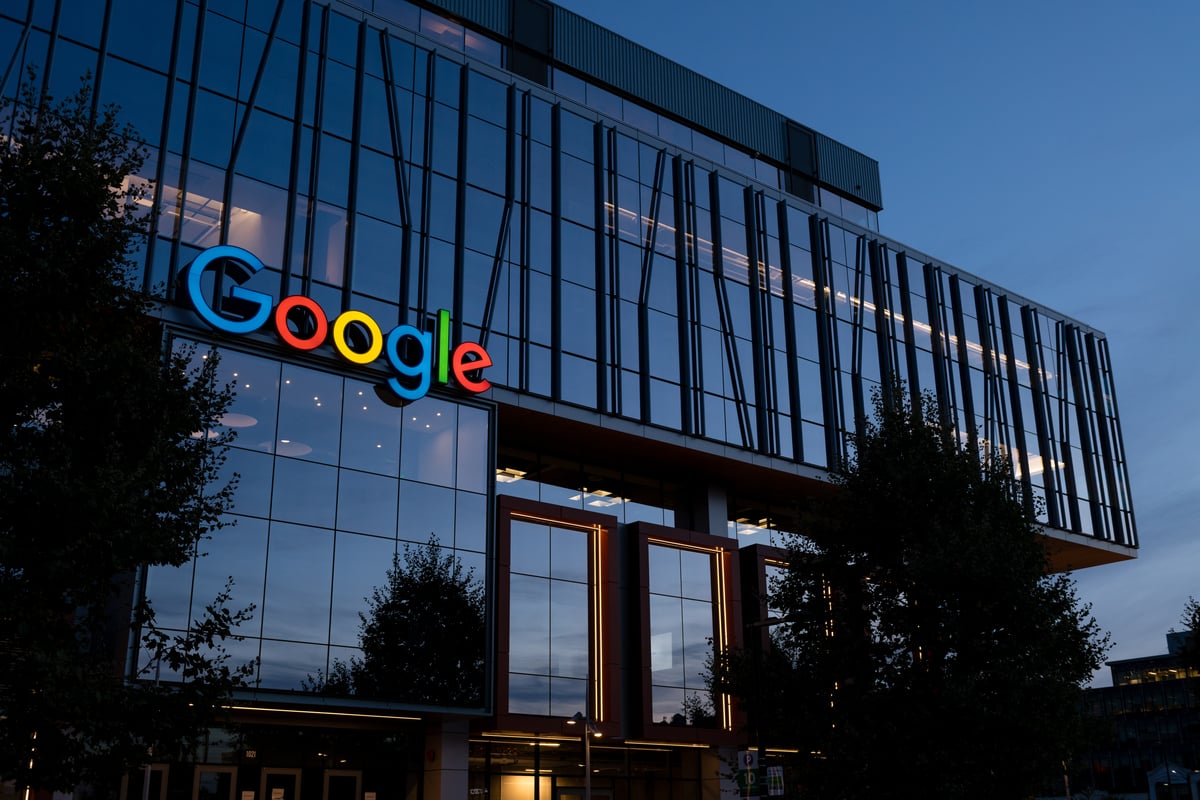
In a detailed research note released this week, Moody's highlighted that even the world's most cash-rich corporations, including Alphabet (Google's parent company) and Microsoft, are being compelled to depend substantially on debt, equity sales, and complex off-balance-sheet arrangements to finance their ambitious AI projects.
"These companies previously thrived on asset-light business models, focusing on software, intellectual property, and scalable cloud services that demanded relatively modest capital investment," Moody's explained in its Wednesday report. "The current transition towards asset-heavy models necessitates an unprecedented scale of investment and capital raising." This fundamental shift, according to Moody's, "threatens credit quality" for the six key companies under their scrutiny: Microsoft, Amazon, Alphabet, Meta, Oracle, and CoreWeave.
Moody's projects that capital expenditures (capex), which encompass investments in physical assets like massive data centers, will soar to $785 billion in 2026, eventually reaching approximately $1 trillion in the subsequent year. This trajectory marks a dramatic departure from the decades-long Silicon Valley blueprint that fueled the growth of the world's most valuable companies. The traditional software model, with its low replication costs, yielded substantial profit margins and robust balance sheets. In stark contrast, generative AI requires an immense physical footprint, demanding sprawling warehouses filled with costly, energy-intensive servers and specialized chips.
To fund this monumental expansion, tech giants are increasingly engaging with Wall Street, consequently boosting profits for the financial sector. Moody's reported that direct debt across the six hyperscalers has already reached an estimated $460 billion. Furthermore, tech companies are tapping public markets for capital; for instance, Alphabet recently announced an $85 billion equity sale to bolster its AI infrastructure.
Leasing Data Centers: A Hidden Liability?
Moody's analysis revealed that the substantial upfront investment required for AI hardware and infrastructure, coupled with the longer timeframes for revenue generation, is putting significant pressure on free cash flow across the sector. To mitigate the appearance of direct debt on their balance sheets, hyperscalers are increasingly utilizing off-balance-sheet financing, primarily through long-term data center leases.
The ratings firm noted that lease commitments for the group have ballooned to $1.2 trillion, with over $820 billion of that total attributed to leases for data centers that are still under construction. While these obligations don't appear as conventional debt, Moody's considers them as debt-equivalent liabilities that will bind companies to considerable rent payments in the future.
Despite these warnings, Moody's reassured that Microsoft, Alphabet, Amazon, and Meta continue to possess some of the strongest corporate balance sheets globally, making an imminent threat to their investment-grade ratings unlikely. The immediate credit pressure is more concentrated on entities with lower ratings, such as Oracle and the specialized AI cloud provider CoreWeave. Oracle currently holds a Baa2 rating with a negative outlook, placing it just two notches above "junk" status. CoreWeave, operating in the high-yield market with a Ba3 rating, relies on intricate private debt structures to finance its extensive GPU hardware fleets.
The Circular AI Ecosystem
Moody's also highlighted a "structural circularity" within the booming AI market. A significant portion of the multibillion-dollar backlogs reported by hyperscalers originates from strategic agreements with pre-IPO artificial intelligence labs like OpenAI and Anthropic. These hyperscalers have invested billions into these AI labs, which then, in turn, become major consumers of cloud computing services from those very same companies. This creates a self-reinforcing AI ecosystem.
These overlapping relationships introduce heightened risks, as many of the industry's largest companies are becoming increasingly dependent on the same AI customers and share similar assumptions about future demand. Nevertheless, the tech giants possess considerable inherent strengths that help to counterbalance these risks. Demand for AI computing remains robust, cloud businesses continue their strong growth trajectory, and hyperscalers have secured hundreds of billions of dollars in long-term customer contracts, promising predictable revenue streams. These factors largely support the industry's strong credit profiles, even amidst the current spending boom.
However, Moody's concludes that investors must recognize that the financial landscape of the tech industry is undergoing a profound structural transformation, unlike anything witnessed during the cloud computing era. The ratings firm advises: "Investors will increasingly focus on these companies' ability to realize an adequate return on investment."